What are Anti-Infective Intermediates & Fine Chemicals?
Anti-infective intermediates and fine chemicals are specialized compounds that serve as the core building blocks in pharmaceutical R&D and drug manufacturing. Unlike finished APIs, these materials are designed for laboratory synthesis and scale-up processes. They form the chemical backbone of widely used anti-bacterial, anti-fungal, and antiviral medicines.
These compounds are primarily sourced by pharma procurement managers, CDMOs, CROs, and research labs who require reliable supply, traceable documentation, and strict compliance with GMP standards. By enabling the cost-effective development of new anti-infective therapies, intermediates and fine chemicals help bridge the gap between discovery research and commercial-scale production.
Where are Anti-Infective Intermediates Used in Pharma and Research?
Anti-infective intermediates and fine chemicals are widely applied across drug discovery, process development, and formulation research. They support pharma companies, CROs, and CDMOs in building pipelines for global anti-infective therapies.
- Antibiotic development: 2,5-Dibromopyridine (CAS 624-28-2) is a core intermediate in quinolone and pyridine-based antibacterial drugs.
- Antiseptic formulations: Chlorhexidine derivatives are used in hospital-grade disinfectants and topical antiseptics.
- Antiviral drug synthesis: Trifluoromethanesulfonic acid (CAS 1493-13-6) enables transformations in nucleoside analogues for antiviral research.
- Antifungal studies: 4-Methoxycinnamic acid (CAS 830-09-1) is utilized in pathways for antifungal active ingredients.
- CRO and CDMO use: Contract organizations rely on intermediates to support client projects ranging from small-scale discovery batches to pilot-scale manufacturing.
- University and biotech research: Early-stage studies use these compounds for screening, molecular modification, and structure–activity relationship analysis.
By enabling flexible application across multiple therapeutic classes, these intermediates strengthen the global fight against resistant bacteria, emerging viruses, and fungal pathogens.
Why Choose Pharmint for Anti-Infective Intermediates?
Pharmint provides a trusted sourcing network for bulk intermediates and fine chemicals that meet the needs of pharmaceutical procurement teams, CROs, and CDMOs. Buyers select Pharmint because of its emphasis on compliance, traceability, and global accessibility.
- GMP-compliant sourcing: Products are supplied from audited manufacturers with batch traceability.
- Regulatory documentation: Every shipment includes COA, MSDS, and other required compliance papers.
- Bulk availability: Flexible volumes suitable for R&D, pilot-scale, and industrial production.
- Global distribution: Logistics expertise for shipping regulated intermediates worldwide.
- Competitive pricing: Cost-efficient supply options to support project budgets.
- Supplier reliability: Network of international partners ensures continuity of supply and reduced procurement risk.
For procurement managers, Pharmint reduces the burden of supplier qualification, documentation review, and compliance checks, offering a streamlined path from inquiry to delivery.
What Are Some Examples of Anti-Infective Intermediates?
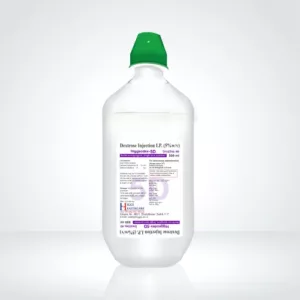
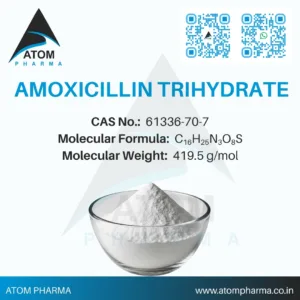
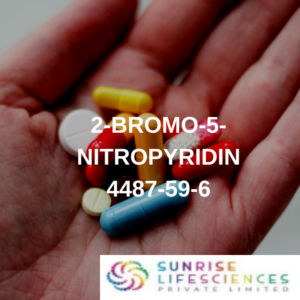
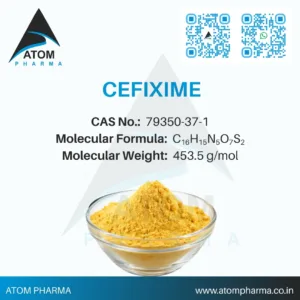
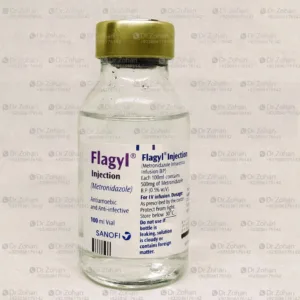
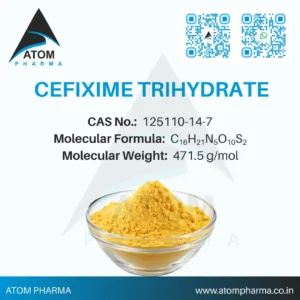
These intermediates are essential in drug R&D and synthesis, particularly for anti-infective therapies. They are widely used by research labs, CROs, CDMOs, and procurement teams looking for trusted, documentation-backed sourcing.
How Should Anti-Infective Intermediates Be Stored and Handled?
Anti-infective intermediates and fine chemicals require controlled handling and storage to maintain stability, ensure safety, and meet compliance standards. Procurement teams, labs, and CDMOs must align with international guidelines for chemical management.
- Laboratory-only use: These compounds are not APIs or finished formulations. They are strictly intended for R&D, synthesis, and process development.
- Storage conditions: Most should be kept in cool, dry, and well-ventilated environments, away from direct light and incompatible substances (acids, oxidizers, or moisture-sensitive reagents).
- Protective handling: Standard lab PPE — gloves, goggles, and fume hoods — is required during handling to prevent skin contact or inhalation.
- Export compliance: Certain intermediates may fall under restricted trade regulations. End-use declarations or import permits are often mandatory for international shipments.(ec.europa.eu)
- Waste disposal: Residues and byproducts must be treated as hazardous chemical waste and disposed of via licensed facilities in compliance with local regulations.(epa.gov)
Anti-Infective Intermediates FAQs
What are anti-infective intermediates used for?
They are chemical precursors used to synthesize antibacterial, antifungal, and antiviral APIs in research and pharma manufacturing.
Can I buy anti-infective intermediates in bulk?
Yes, Pharmint provides bulk sourcing with GMP-compliant supply, COA, and MSDS documentation for global buyers.
Do these intermediates have direct medical applications?
No, they are not APIs or finished drugs. They are intended solely for R&D, synthesis, and scale-up processes.
How does Pharmint ensure quality of intermediates?
Products are sourced from audited suppliers, with batch-level COA, MSDS, and optional GMP certification included.
Are anti-infective intermediates subject to export control?
Yes, some may require end-use declarations or import permits under international trade compliance laws.