

Diphtheria Antitoxin
Looking to streamline your immunization supply chain with fewer injections? Discover how diphtheria combination vaccines deliver broad-spectrum protection in a single dose—GMP-certified and procurement-ready.
Showing all 10 results
[woof]
-
-
-

-
-
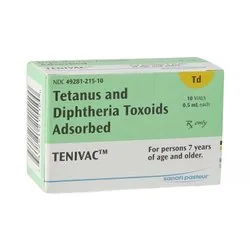
1 Betd Diphtheria Tetanus Vaccine, For Clinical, 0.5 Ml
Diphtheria Antitoxin Contact Seller for Price -

-
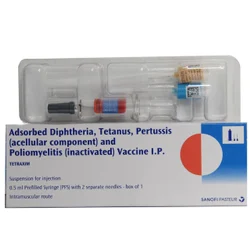
Tetraxim Adsorbed Diphtheria, Tetanus, Pertussis and Poliomyelitis Vaccine
Diphtheria Antitoxin Contact Seller for Price -
-

-

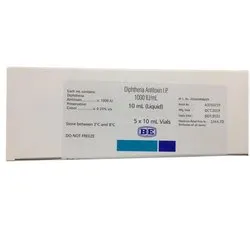
Diphtheria Antitoxin 10000 IU Injection, Prescription, Treatment: Antibodies
Diphtheria Antitoxin Contact Seller for Price
Diphtheria & Combination Vaccines
What Are Diphtheria & Combination Vaccines?
Diphtheria & combination vaccines refer to a class of immunization products that protect against Corynebacterium diphtheriae—either as standalone diphtheria toxoid formulations or as multi-component vaccines combined with antigens for tetanus, pertussis, hepatitis B, poliomyelitis, and Haemophilus influenzae type b (Hib).
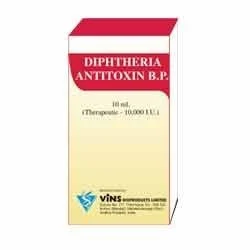
While Diphtheria Antitoxin 10 ml and Diphtheria Antitoxin B.P. Standard are used post-infection to neutralize circulating toxins, vaccines like Tetraxim and Pentavac SD are designed for preventive immunization, helping the immune system recognize and respond before infection occurs.
These vaccines are typically inactivated formulations of diphtheria toxoid—rendered non-toxic but still immunogenic—and are widely used in pediatric and adult vaccination schedules globally. Depending on regional immunization protocols, they are often co-administered as part of DTaP, DTwP, or pentavalent/hexavalent vaccine programs.
Key takeaway: Vaccines train the body to prevent diphtheria; antitoxins treat exposure. Both have critical roles in global public health and emergency response.
Why Are Combination Vaccines Preferred in Modern Immunization Programs?
In global immunization initiatives—particularly those led by WHO, UNICEF, and GAVI—combination vaccines have become the gold standard due to their ability to offer broad-spectrum protection with fewer injections. These vaccines reduce the number of clinic visits, minimize needle-related anxiety, and improve overall vaccination coverage.
Take, for example, Tetraxim—a quadrivalent vaccine that provides immunity against diphtheria, tetanus, pertussis (whooping cough), and polio in a single 0.5 ml dose. Similarly, Pentavac SD offers pentavalent coverage, combining diphtheria, tetanus, pertussis, hepatitis B, and Hib—streamlining pediatric immunization schedules.
Beyond clinical efficiency, combination vaccines:
- Reduce logistic overhead for procurement teams
- Lower cold chain costs by consolidating volume
- Increase patient compliance through simplified administration
These benefits have led to widespread adoption in national immunization programs across Africa, South Asia, and Latin America. Countries like India have successfully integrated pentavalent vaccines into their Universal Immunization Programme (UIP), demonstrating real-world scalability.
Bottom line: Combination vaccines deliver high immunogenicity, low logistical complexity, and improved public health outcomes—making them the backbone of modern vaccination strategies.
What Are the Common Types of Diphtheria-Containing Vaccines?
Diphtheria-containing vaccines come in various formulations, depending on the age group, immunization goals, and co-administered antigens. These vaccines are typically based on diphtheria toxoid adsorbed on aluminum salts and are available in both monovalent and multivalent formats.
1. DTaP and DTwP
These pediatric vaccines combine:
- Diphtheria toxoid
- Tetanus toxoid
- Either acellular (DTaP) or whole-cell pertussis (DTwP) antigen
Used in routine childhood immunization schedules, they form the core of early protection against respiratory infections and bacterial toxins.
2. Tdap
The adult/adolescent formulation with:
- Lower diphtheria toxoid concentration
- Boosts immunity in older populations or during pregnancy
Often part of workplace or travel immunization programs.
3. Pentavalent Vaccines
Includes five antigens:
- Diphtheria
- Tetanus
- Pertussis
- Hepatitis B
- Haemophilus influenzae type b (Hib)
Pentavac SD is a popular example, prequalified for large-scale public health use.
4. Tetraxim and Other Quadrivalent Formulations
Offers immunity against:
- Diphtheria
- Tetanus
- Pertussis
- Poliomyelitis
Tetraxim simplifies primary and booster schedules, especially where IPV (inactivated polio vaccine) is required.
5. Hexavalent Vaccines
An advanced 6-in-1 vaccine format that adds:
- IPV and Hepatitis B to the DTaP-Hib base
Preferred in private-sector immunization programs due to broader protection in a single injection.
What Are the Technical Specifications and Formulation Standards of Diphtheria Combination Vaccines?
Diphtheria-containing vaccines are strictly regulated biologicals with standardized potencies, excipients, and presentation formats to ensure consistent immunogenicity and safety. Procurement professionals and clinical buyers often evaluate these parameters during supplier due diligence.
Diphtheria Toxoid Potency
- Measured in International Units (IU) per 0.5 ml dose
- WHO recommends a minimum of 30 IU for pediatric primary series
- Adult formulations (e.g., Tdap) contain reduced toxoid doses (~2 IU)
Adjuvants and Stabilizers
- Most vaccines use aluminum hydroxide or aluminum phosphate as adjuvants
- Enhances immune response and prolongs antigen presence at the injection site
- Trace components may include thiomersal (as a preservative), formaldehyde (inactivation), or polysorbate 80 (stabilizer)
Packaging Formats
- Single-dose vials: Common in hospital and NGO procurement
- Prefilled syringes: Widely used in private-sector clinics and cold chain–sensitive regions
- Multi-dose vials: Cost-effective for mass campaigns, e.g., BE 1-BETD Diphtheria-Tetanus Vaccine
Storage and Stability
- Cold chain requirement: 2–8 °C
- Do not freeze—freezing damages toxoid structure
- Shelf life: Usually 24–36 months when stored correctly
- Some formulations require reconstitution before injection
Compliance References
- Indian Pharmacopoeia (I.P.)
- British Pharmacopoeia (B.P.)
- United States Pharmacopeia (USP)
- WHO TRS (Technical Report Series) for vaccine specifications
What Are the Global Regulatory and Procurement Considerations for Diphtheria Vaccines?
Whether sourcing for national immunization programs or NGO-funded outreach, buyers must ensure that diphtheria-containing vaccines meet stringent global regulatory standards and are compatible with the importing country’s compliance frameworks.
WHO Prequalification (PQvS)
- WHO-prequalified vaccines are vetted for quality, safety, and efficacy
- Essential for UNICEF, GAVI, and PAHO tenders
- Pentavac SD and Tetraxim have WHO PQ status, widely accepted in Africa, Southeast Asia, and Latin America
GMP Certification
- Suppliers must operate under Good Manufacturing Practice (GMP) standards
- Export documentation often includes GMP license, Site Master File, and batch release certificates
Country-Specific Licensing (I.P., B.P., U.S.P.)
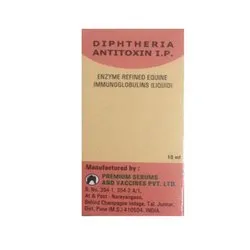
- Indian buyers may require I.P.-labeled products like Diphtheria Antitoxin I.P. 10 ml
- UK, Africa, and Commonwealth nations often accept B.P. standards
- Latin America and the U.S. follow U.S.P. and FDA guidance
Export Documentation
- Certificate of Analysis (COA)
- Batch release certificates from national control laboratories
- Cold chain validation logs and MSDS
- End-use declarations (especially for controlled biologicals)
How Are Diphtheria Vaccines Used in National Programs and Emergency Rollouts?
Diphtheria combination vaccines play a central role in routine immunization and outbreak response efforts across the globe. From WHO-led mass vaccination to national health ministry programs, their flexibility and proven efficacy have made them a cornerstone of public health strategies.
India’s Universal Immunization Programme (UIP)
India integrated the pentavalent vaccine into the UIP to replace DTP-only schedules, expanding coverage to include Hepatitis B and Hib. [Source: Ministry of Health, India]
UNICEF/GAVI-Funded Programs in Sub-Saharan Africa
GAVI and UNICEF deploy vaccines like Tetraxim in regions with limited cold chain infrastructure. [Source: GAVI-UNICEF Collaboration]
Outbreak Response: Yemen, Bangladesh, and Venezuela
Dual response strategy:
- Administer Diphtheria Antitoxin
- Launch combo vaccine campaigns
[Source: PLOS Medicine][
Why Choose Pharmint for Diphtheria & Combination Vaccines?
Pharmint is a trusted B2B sourcing platform for GMP-compliant, bulk-available immunization solutions tailored to institutional buyers, humanitarian programs, and global distributors.
GMP-Certified, Document-Ready Inventory
All listed vaccines—including Pentavac SD and Tetraxim—are sourced from WHO-prequalified or GMP-certified manufacturers. Each batch includes:
- COA, MSDS, temperature stability data
- Pharmacopoeial compliance (I.P., B.P., U.S.P.)
- Real-time shipment tracking with cold-chain validation
Tailored Packs for NGOs, Clinics, and Hospitals
From single-dose vials to 50-dose cartons, Pharmint supports flexible MOQ models to match your volume, storage, and delivery timelines.
Export & Regulatory Support
Our team assists with:
- End-use declarations and import registration
- Custom labeling, multi-language inserts
- Halal certification and PQ dossiers on request
Fast Sourcing from Verified Partners
No middle layers. Pharmint directly connects you to audited manufacturers—reducing lead times and ensuring traceability throughout the supply chain.
Diphtheria & Combination Vaccines FAQs
What is the difference between diphtheria vaccine and antitoxin?
A diphtheria vaccine prevents infection by building immunity, while an antitoxin treats active infection by neutralizing the bacterial toxin.
Can I import DTP combination vaccines in bulk with COA and MSDS?
Yes, Pharmint supplies bulk DTP vaccines with full documentation—COA, MSDS, GMP, and cold-chain traceability for institutional and humanitarian buyers.
Are Pentavac and Tetraxim WHO prequalified?
Yes, both vaccines are WHO PQ-listed and suitable for government tenders, NGO campaigns, and global pediatric immunization programs.
What is the recommended storage condition for diphtheria vaccines?
Store between 2–8°C. Do not freeze. Maintain cold chain during shipping to preserve vaccine potency and regulatory compliance.
Do these vaccines comply with I.P., B.P., or U.S.P. standards?
Yes, formulations like Pentavac SD and BE 1-BETD are available in I.P., B.P., or U.S.P. grades based on regional regulatory needs.