Equipping your healthcare facility with the right medical equipment is fundamental to safe and efficient patient care. At Pharmint, we help hospitals and clinics source certified diagnostic, surgical, monitoring, and life-saving equipment from trusted B2B suppliers.
Whether you’re outfitting an intensive care unit or updating outpatient diagnostics, you’ll find everything from ECG machines and infusion pumps to ventilators and sterilizers—all compliant with GMP, FDA, CE, and ISO standards.
What Is Medical Equipment in Hospitals and Clinics?
Medical equipment refers to a wide range of tools, machines, and devices used for diagnosis, monitoring, therapy, life support, and sterilization in healthcare settings. Depending on their application, these devices are categorized into:
- Diagnostic Equipment (e.g., ECG Machines, Ultrasound Scanners)
- Monitoring Equipment (e.g., Cardiac Monitors, Pulse Oximeters)
- Life Support Equipment (e.g., Ventilators, Infusion Pumps)
- Surgical Equipment (e.g., Electrosurgical Units, Surgical Lights)
- Sterilization & Sanitation (e.g., Autoclaves, Medical Sterilizers)
Each type plays a critical role in improving treatment outcomes and maintaining clinical hygiene standards.
List of Essential Medical Equipment & Devices Every Medical Facility Needs
Here’s a breakdown of the most used and in-demand hospital-grade equipment:
- Defibrillators: Used during cardiac emergencies to restore normal heart rhythm.
- ECG Machines (Electrocardiogram): Monitors heart activity; essential for diagnosing cardiac disorders.
- Autoclaves & Sterilizers: Ensure surgical tools and instruments remain bacteria-free.
- Cardiac Monitors: Tracks real-time heart rate, rhythm, and vital signs.
- Blood Pressure Monitors: Widely used for general checkups and intensive care monitoring.
- Hospital Beds: Adjustable and wheeled beds enhance patient comfort and caregiver mobility.
- Stethoscopes: Basic diagnostic tool for cardiac, pulmonary, and gastrointestinal auscultation.
- Infusion Pumps: Administers controlled doses of fluids, nutrients, or medications.
- Oxygen Concentrators: Delivers purified oxygen to patients with respiratory issues.
- Nebulizers: Turns liquid medication into vapor for inhalation therapy.
- Pulse Oximeters: Measures blood oxygen saturation and pulse rate.
- Biochemistry Analyzers: Analyzes blood, urine, and other biological fluids in clinical labs.
- Suction Machines: Clears airways by extracting mucus or fluids.
- Thermometers: Digital or infrared thermometers for fever and infection screening.
- Wheelchairs: Manual and motorized options for patient mobility and transport.
- CPAP Machines: Used in sleep apnea therapy to maintain constant airflow.
- Dialysis Machines: Filters blood in patients with kidney failure or chronic renal conditions.
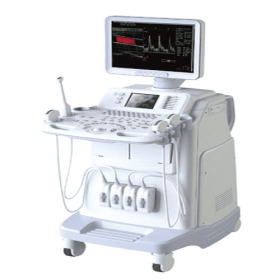
- Ultrasound Scanners: Non-invasive diagnostic imaging for internal organ evaluation.
- Ventilators: Assists or replaces spontaneous breathing in critical care units.
- Surgical Lights: Overhead illumination during surgeries for visual clarity.
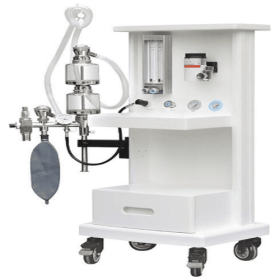
- Anesthesia Machines: Deliver controlled anesthesia during surgical procedures.
- Electrosurgical Units: Uses electrical current to cut tissue or cauterize during operations.
- EMG Machines: Assess muscular and nerve health via electromyography.
- Examination Tables: Adjustable surfaces for patient evaluation in clinics and hospitals.
- Diagnostic Kits & Test Strips: Used for rapid tests—blood sugar, urine, pregnancy, etc.
How to Source Medical Equipment on Pharmint?
Pharmint connects buyers to certified B2B medical suppliers with full transparency and compliance documentation.
- Filter by Device Type: Diagnostic, Monitoring, Surgical, Sanitation
- Filter by Certification: FDA, CE, ISO, WHO-GMP
- Search by Use-Case: ICU Equipment, General Practice, Emergency Care
- Supplier Info: MOQ, Origin, Product Specs, HS Codes
- Documentation Support: COA, MSDS, Product Manuals
Medical Equipment Safety Standards & Certifications
To ensure quality and safety, all hospital equipment listed on Pharmint complies with international regulatory frameworks:
- FDA (US Food & Drug Administration)
- CE (European Conformity)
- ISO 13485: Medical Device Quality System
- CDSCO (India)
- WHO GMP Guidelines
Always request certification documents before confirming bulk orders.
Hospital Equipment and Supplies FAQs
What are the most commonly used hospital equipment?
Most used devices include ECG machines, infusion pumps, stethoscopes, hospital beds, pulse oximeters, and thermometers.
What are the 5 main types of medical equipment?
- Diagnostic Equipment
- Monitoring Devices
- Life Support Machines
- Surgical Tools
- Sanitation & Sterilization Equipment
What is the most essential medical equipment in clinics?
Basic diagnostic tools like ECG machines, stethoscopes, thermometers, and infusion pumps are crucial for outpatient settings.
What are the most needed medical supplies?
Common needs include examination gloves, PPE kits, syringes, oxygen masks, surgical gowns, and disinfectants.
Why Pharmint Is Your Trusted B2B Medical Equipment Platform
- Verified, compliance-ready hospital and clinic suppliers
- Seamless global shipping and supply chain logistics
- Competitive pricing and scalable MOQs
- Access to technical specifications and regulatory documents
- Dedicated sourcing consultants for bulk medical procurement