Nutraceuticals & Dietary Supplements
Looking for reliable nutraceutical and dietary supplement suppliers?Source high-quality nutraceuticals and dietary supplements in bulk from verified B2B suppliers on Pharmint. Find pharmaceutical-grade vitamins, minerals, and herbal supplements at competitive wholesale prices.
Showing 101–150 of 619 results
[woof]
-
Express Checkout
Cholecalciferol 1000 UI Comprimés à croquer
Nutraceuticals & Dietary Supplements Contact Seller for Price -
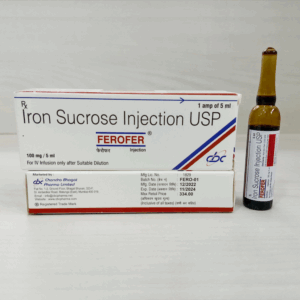
Fermoir – Injection de sucrose en fer USP 5 ml (100 mg / 5 ml)
Mineral Supplement Contact Seller for Price -
NUTRIGROW Sachet Lovol-S (paquet de 1, 10 sachets), L-Ornithine L-Aspartate/ Soins du foie (50 g)
Nutraceuticals Contact Seller for Price -
Adénosylcobalamine USP 15mcg + ascorbate ferreux 100mg + acide folique 999XXXZ01XZx999 1,5mg + sulfate de zinc 999XX ZXZ02XX999 22,5mg
Mineral Supplement Contact Seller for Price -
Carbonate de calcium 625 mg + Calcitrol 0,250 mcg + Ca Fructoborate 3mg + Zinc 2,5 mg + Cu 7,5 mg comprimé
Nutraceuticals & Dietary Supplements Contact Seller for Price -
Carbonate de calcium 625 mg + Calcitrol 0,250 mcg + Ca Fructoborate 3mg+ Zinc 2,5 mg + Cu 7,5 mg comprimé
Nutraceuticals & Dietary Supplements Contact Seller for Price -
Citrate de calcium USP 1000mg + Magnésium 999XX ZXZ01XX999 100mg + Zinc 999XXzXZ02XZx999 4mg + Vitamine D3 999XX zXZ03XX99 200IU Comprimé
Nutraceuticals Contact Seller for Price -
CAS: 5449-12-7,999XCASx999: xzXZ02XZ et 999XACSX999 : XZZZ01XZ;999XCANX99: X ZXZ00XZ: Nouveau P.MK poudre/huile
Nutraceuticals Contact Seller for Price -
Méthylcobalamine 500 mcg, acide alpha lipoïque 100 mg, pyridoxine Hcl 1,5 mg, thiamine 2 mg et#038; Picolinate de calcium 200 mg Comprimés
Nutraceuticals & Dietary Supplements Contact Seller for Price -
CAS 49851-31-2 999XCANX999 xZX00XZ 199XCASx999 XXZZ02XZ En stock Livraison en toute sécurité Bon prix
Nutraceuticals Contact Seller for Price -
L- Carnitine,Co Q10, Astaxanthine, Lméthylfolate, Lycopène, méthylcobalamine, Vitamine D3, Vitamin E, Piperine
Nutraceuticals & Dietary Supplements Contact Seller for Price -
Fer (fer carbonyle) + acide folique+ Vit.B12 + zinc
Nutraceuticals & Dietary Supplements Contact Seller for Price -
Myo- Inositol, Berberine, D- Chiroinositol, Extrait de graines de raisin, Picolinate de chrome, Lméthylfolate Calcium Vitamine D3
Nutraceuticals & Dietary Supplements Contact Seller for Price -
Multivitamine, multiminérale avec comprimés antioxydants
Nutraceuticals & Dietary Supplements Contact Seller for Price -
Méthylcobalamine 1500mcg + ALA 100mg + Vit B1 10mg +Vit B6 3mg + Acide folique 1500mmcg Caps.
Nutraceuticals & Dietary Supplements Contact Seller for Price -
Minéraux essentiels, acides aminés et vitamines avec capsules d'extrait naturel
Capsule Contact Seller for Price -
Carbonate de calcium BP 500mg + Vitamine D3 999XX ZXZ01XZ99 250IU Comprimé
Mineral Supplement Contact Seller for Price -
Fédétate de sodium 231 mg (sous forme de fer élémentaire 33 mg) Acide folique 500 μg & vitamine B12 5 μg Sirop
Common Disease Medicine Contact Seller for Price
Nutraceuticals & Dietary Supplements for Bulk Sourcing
Functional & Food-Based Health Ingredients
Nutraceuticals and dietary supplements are food-derived products designed to support wellness, prevent deficiencies, and promote therapeutic outcomes. While overlapping conceptually, nuances in composition, regulation, and claims distinguish them in commercial and regulatory contexts. Whether you’re formulating functional foods or sourcing high-purity ingredients, it’s essential to understand these subtle yet impactful differences.
What Are Nutraceuticals and Dietary Supplements? Definitions & Core Differences
Nutraceuticals Defined
Coined by Stephen DeFelice in 1989, “nutraceutical” merges “nutrition” + “pharmaceutical”—a term describing bioactive food components (e.g., garlic extract, probiotic concentrates, herbal botanicals) with scientifically documented health benefits, ranging from antioxidant to anti-inflammatory properties. They go beyond basic nutrition to include functional foods and medical foods designed for prevention and health promotion.
Dietary Supplements Explained
The FDA defines dietary supplements (under DSHEA, 1994) as orally consumed products—vitamins, minerals, herbs, amino acids, enzymes, or botanicals—formulated to complement the diet, not replace it. These often include isolated nutrients in forms like tablets, capsules, or powders.
Nutraceuticals vs Dietary Supplements: Key Differences in Use and Regulation
- Source: Nutraceuticals are typically whole-food or plant-based extracts; supplements may be single, purified nutrients.
- Purpose: Nutraceuticals target health enhancement or disease prevention; dietary supplements address nutrient shortfalls
- Regulation: Supplements follow DSHEA and are regulated as food, whereas nutraceuticals often fall under multiple categories—food, supplement, or even drug depending on the market
Why the Difference Between Nutraceuticals and Dietary Supplements Matters
- Health Claims & Compliance: Nutraceuticals often have more ambitious health claims, which may trigger drug or medical food regulatory pathways. In contrast, dietary supplements must avoid disease-related claims, sticking to permitted structure/function statements.
- Consumer & Industry Perceptions: Healthcare professionals and formulators may view nutraceuticals as closer to pharmaceuticals due to their holistic and preventive focus. Dietary supplements, while valuable, are more diet-supportive in nature.
- Market Positioning: With a 2021 market valuation of $400B, nutraceuticals command premium positioning among functional foods, phytoceuticals, and botanical extracts, while supplements form the basic vitamin/mineral product class.
Common Nutraceutical & Supplement Types
- Functional foods: Fortified cereals, yogurts, beverages
- Herbal extracts: Ashwagandha, turmeric, ginseng
- Probiotics/prebiotics: Strains targeting gut health
- Micronutrients: Omega-3, vitamins, minerals
- Phyto-botanicals: Garlic, green tea catechins, beetroot
- Medical foods: Nutrient-specific products recommended by physicians
Regulatory & Safety Considerations
- Supplement Oversight: Under DSHEA, dietary supplements are self-regulated pre-market, with the FDA intervening post-market via inspections, label oversight, and recall authority[Source].
- Nutraceutical Complexity: Without a standardized regulatory category, nutraceuticals straddle food, supplement, and medicinal classifications, making compliance more complex.
- Potential Risks: Adverse events—like overconsumption of fat-soluble vitamins, contaminants, or drug interactions—are more common than assumed, with around 23,000 ER visits annually in the U.S. attributed to supplements
Bulk Sourcing: What to Look For
- Certifications & GMP: Look for suppliers with GMP compliance, relevant COAs, and ISO certifications. These enhance trust and compliance across functional foods and pharmaceutical-grade production.
- Ingredient Traceability: Prioritize suppliers providing MSDS/COA documentation, lab analysis, and details on origin, batch, and harvest methods.
- Evidence-based Formulations: Ideal nutraceutical suppliers share clinical data, safety reports, and peer-reviewed studies supporting their ingredients.
- Supply Chain Resilience: Source from reliable geographic hubs (India, China, EU) and evaluate MOQs, lead times, and logistics options, especially for temperature-sensitive extracts.
Why Pharmint Is the Trusted Platform for Nutraceutical Ingredient Sourcing?
- Curated supplier network: Bulk nutraceutical and supplement ingredients, vetted for GMP, COA, traceability
- Advanced filters: Sort by ingredient type, certification, market (e.g., FSSAI, FDA, EFSA)
- Documentation ready: Easily access lab results, allergen statements, and supplier audits
- Global logistics support: Sourcing from major hubs with transparent MOQs and lead times
- Regulatory guidance: Partner support for claims compliance and label strategy
Nutraceuticals and Dietary Supplements FAQ
What is the difference between dietary supplements and nutraceuticals?
Nutraceuticals are food-derived ingredients with therapeutic potential; dietary supplements focus on addressing nutritional deficiencies .
Is a nutraceutical a dietary supplement?
Sometimes—nutraceuticals can be sold as supplements—but not all supplements meet the broader health claims of nutraceuticals .
What is an example of a nutraceutical?
Whole food extracts like garlic, green tea catechins, or probiotic blends used for health beyond basic nutrition .
Are nutraceuticals safe?
Often—but overconsumption, contamination, and drug interactions pose risks. Choose suppliers with strong GMP and testing credentials.